E09
MMHC Storyboard Portal Generational Trauma - Gate 1A review

Generational Trauma

Gate 1A review page for E09. This locks the episode shape before storyboard: the body-language mechanism, casting direction, present-day locations, park recognition logic, and archival boundaries.

Review Notes

These are the decisions this Gate 1A page is asking Steven to approve before we move into the Gate 1B board.

MechanismApproval

The Brace

The episode is organized around a repeated body posture rather than an object: shoulders set, weight forward, scan, held stillness, release.

CastApproval

Two Peer Fathers

Daniel and Jordan should feel similar in age, life-stage, warmth, and competence. Their worlds differ; the body pattern rhymes.

ChildrenApproval

Fragments Only

Noah and Taylor do not perform the full adult brace. They only absorb a fragment: face-check, pause, smaller body scale.

ParkApproval

Recognition, Not Rescue

The fathers are strangers. A harmless sharp trigger causes one body response; the other father recognizes the posture.

ArchivalScope

Separate Phase

Gate 1A approves boundaries. Archival research, permissions, clearance, and licensing stay separate after Gate 1B approval.

Character References

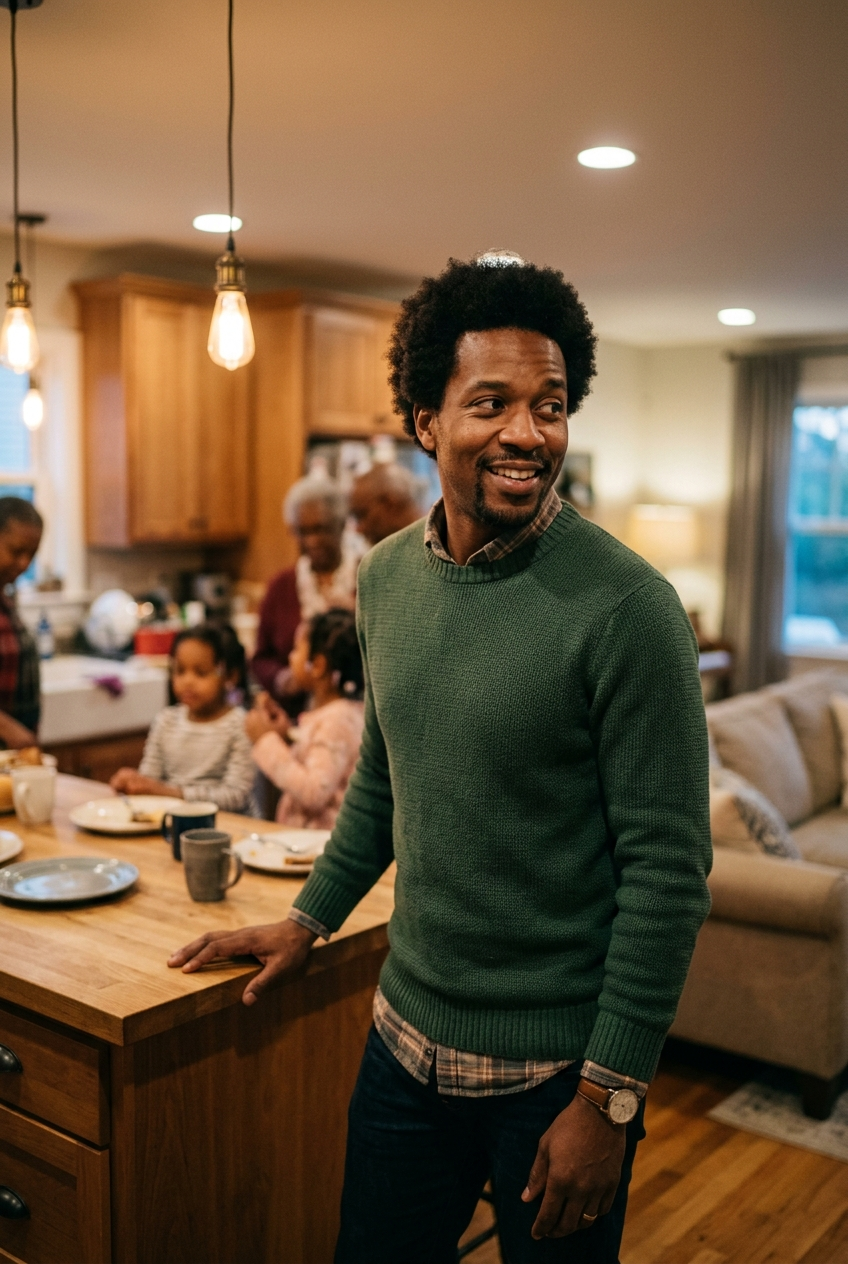
Internal production names are used only to keep the board readable. These are casting-direction references, not final shot frames.
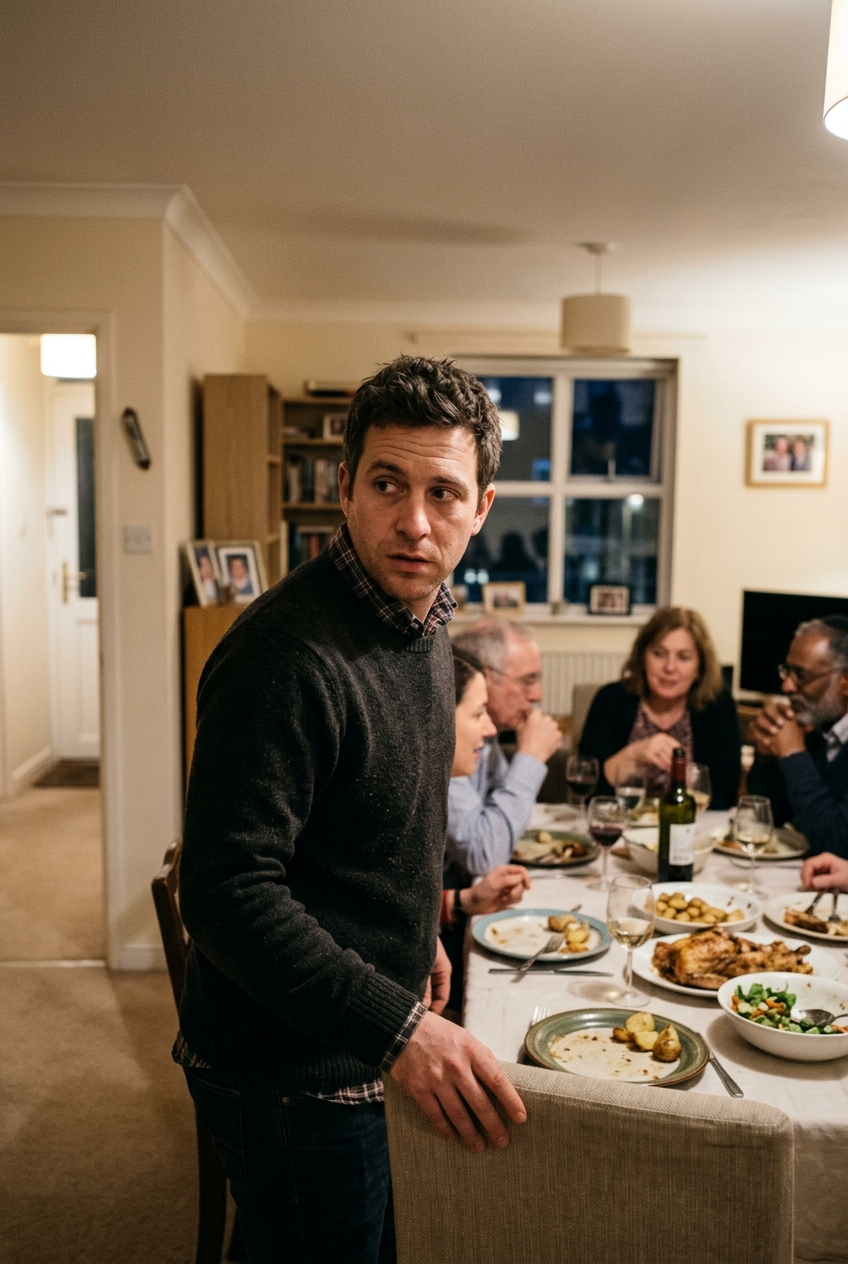
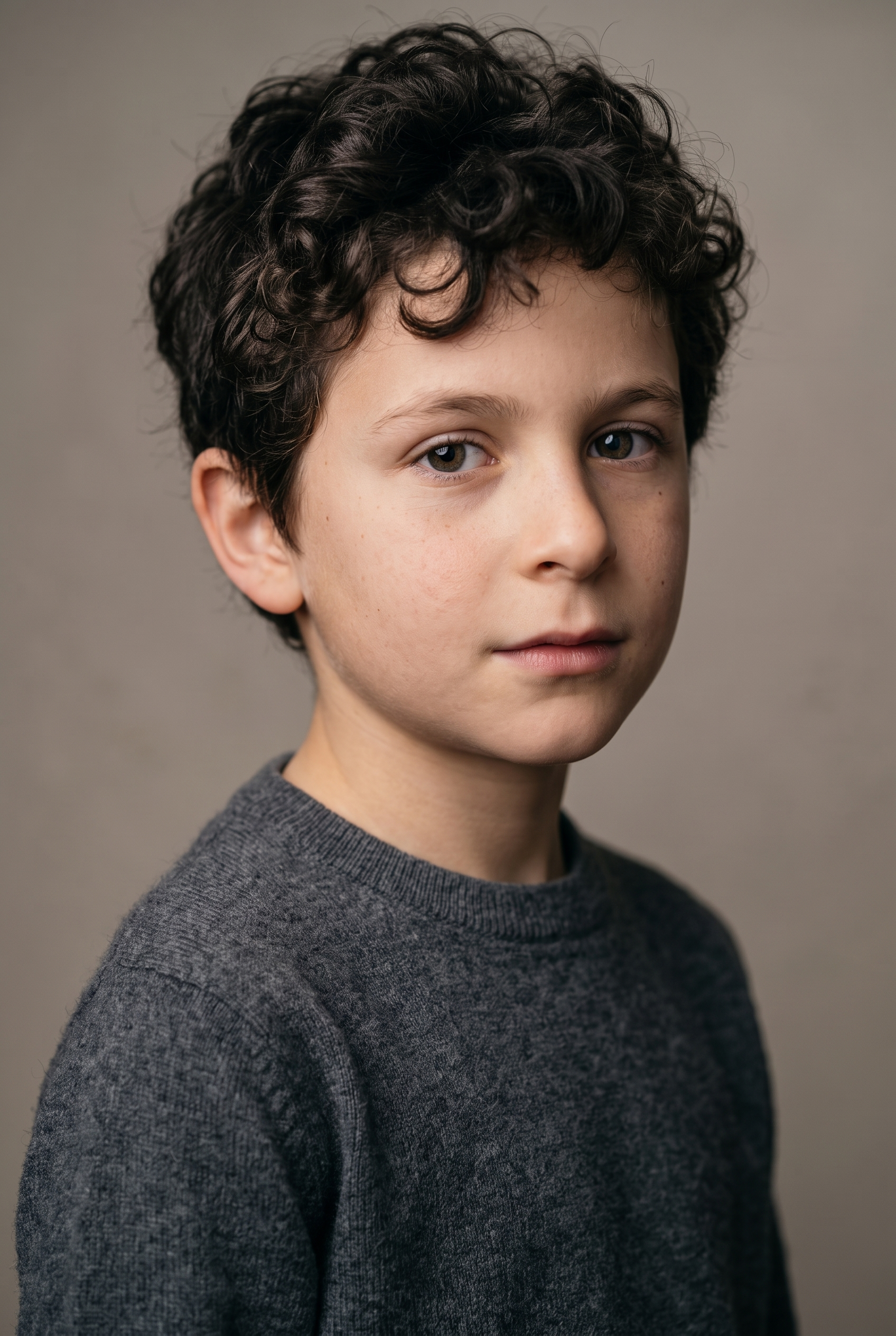
Daniel reference
DanielA-line father

Warm host, one degree ready

Socially fluent, mid-30s, composed. He notices room edges and unsettled people before anyone else does.

Jordan reference
JordanB-line father

Relaxed surface, active body intelligence

Easy inside his family room. He reads tension early and redirects it before it becomes visible.

Noah reference
Noahfragment

Face-check, pause, release

Young enough to absorb the room, old enough for the face-check to read without overplaying fear.

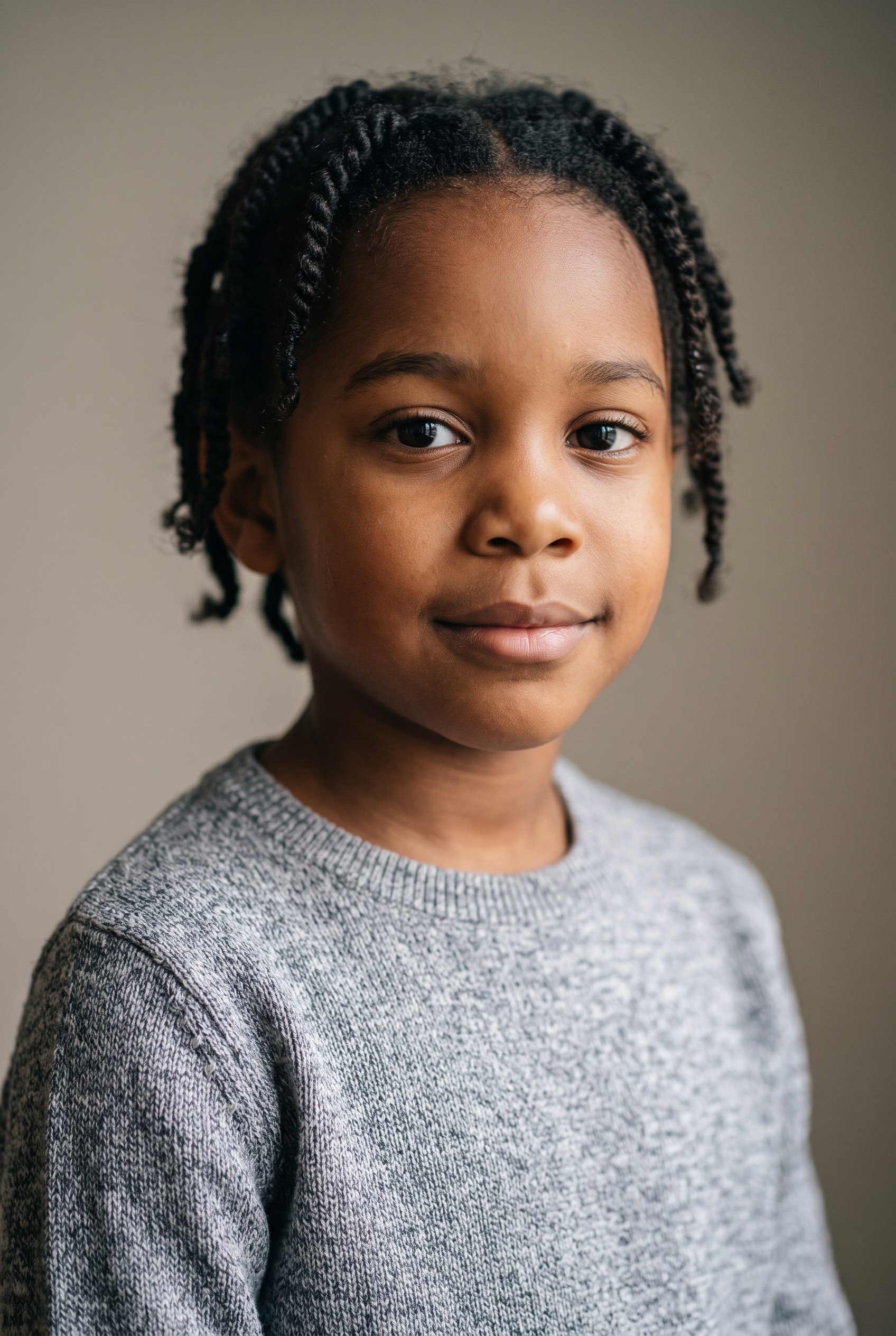
Taylor reference
Taylorfragment

A small inherited echo

Checks Jordan's face and subtly adjusts body scale. The inheritance is emotional temperature, not mimicry.

Present-Day Locations

The locations should feel ordinary and warm enough that the brace has somewhere to hide.
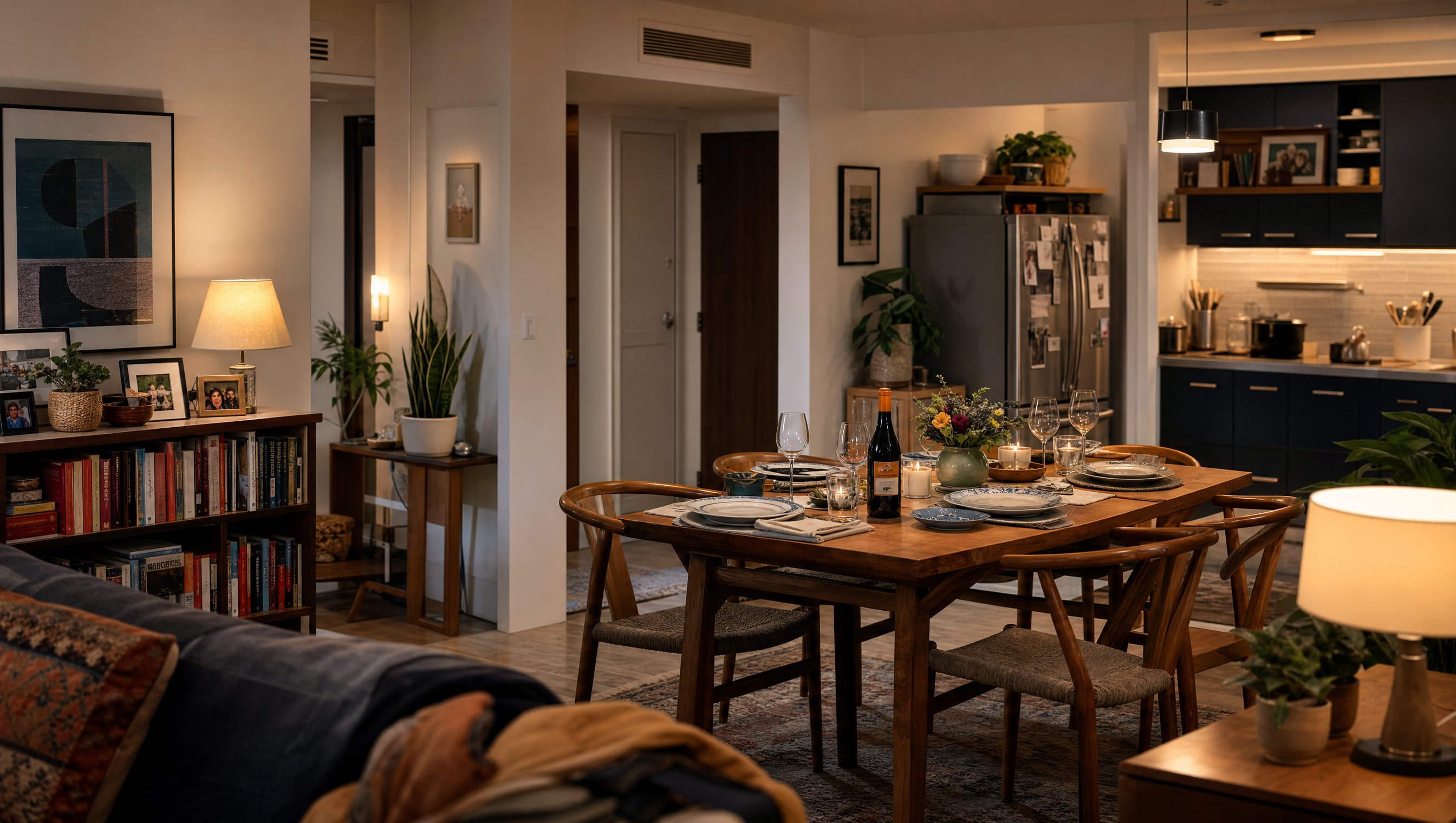
Daniel home reference
A Homepresent

Dinner-party host flow

Practical lamps, books/photos, room edges, doorway geography. Daniel has places to host, scan, and reintegrate someone gently.

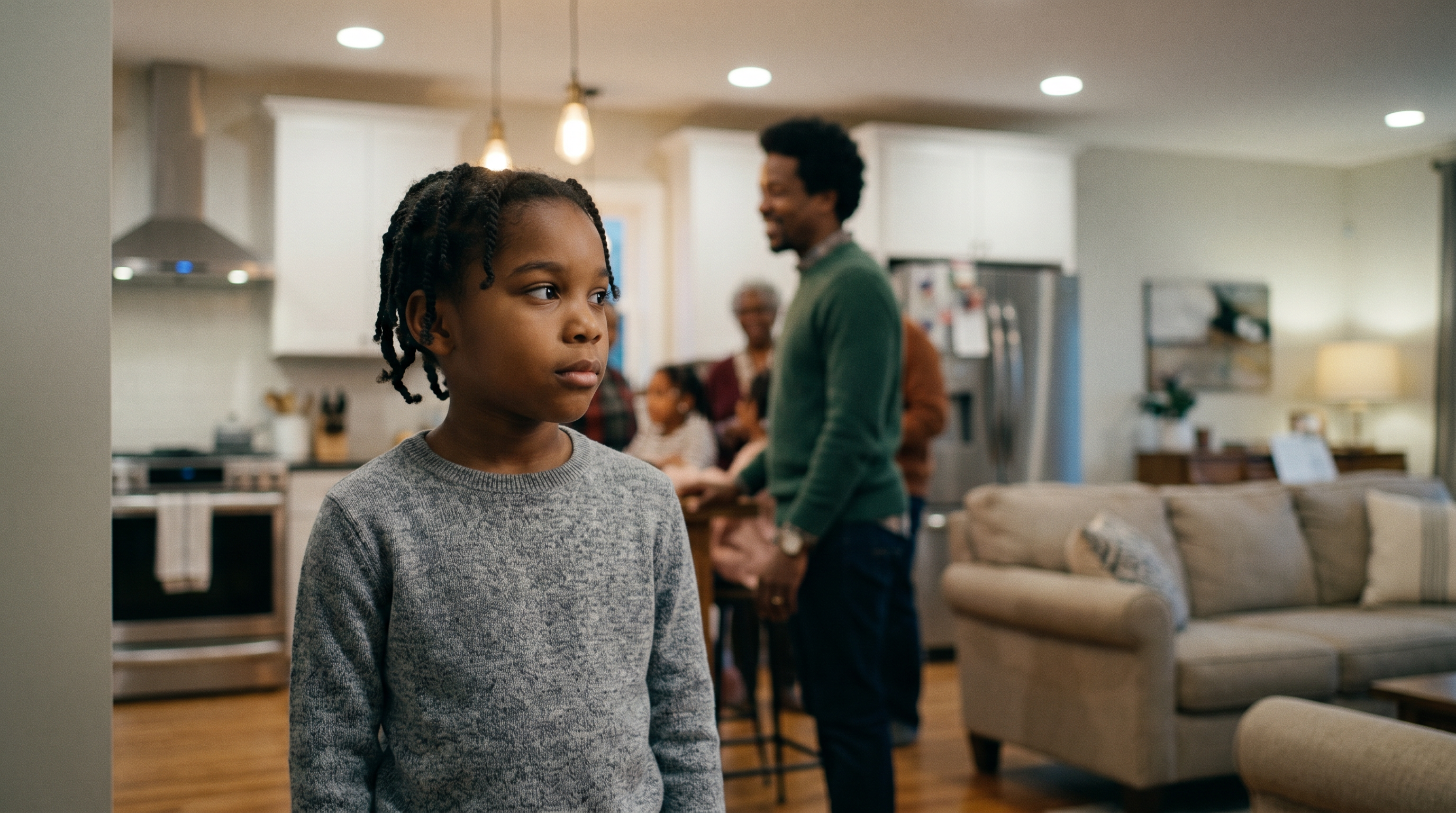
Jordan home reference
B Homepresent

Family room / kitchen overlap

Warm, ordinary, lived-in. Distinct from Daniel's room but matched in scale and emotional temperature.

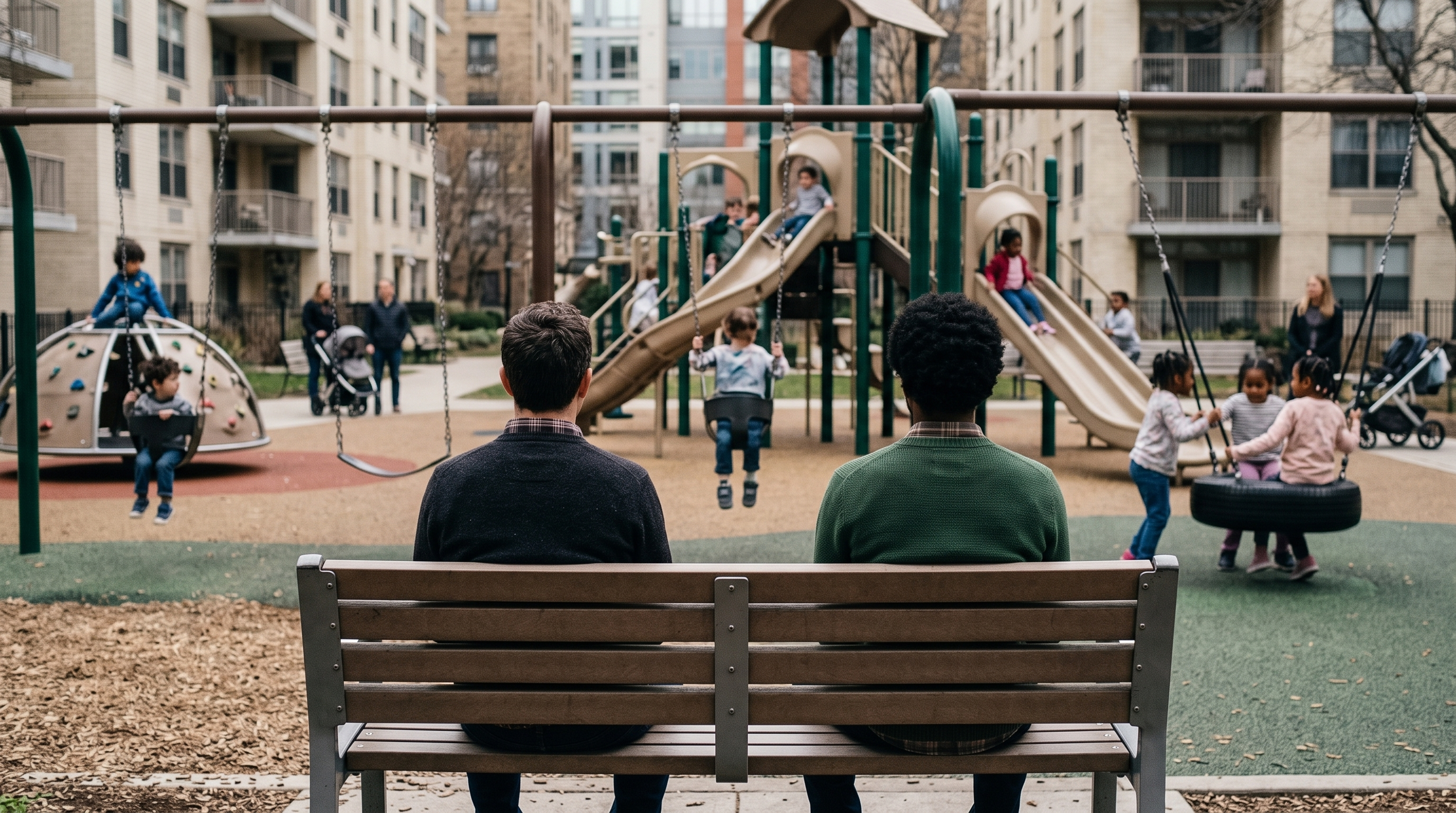
Shared park blocking
Parkclimax

First shared frame

A public bench near children at play. Daniel and Jordan are present for ordinary reasons, not staged as if they know each other.

Park Recognition Coverage

Reference coverage for the Gate 1B board. The trigger is visible, ordinary, and peripheral; the recognition belongs to the fathers' bodies.
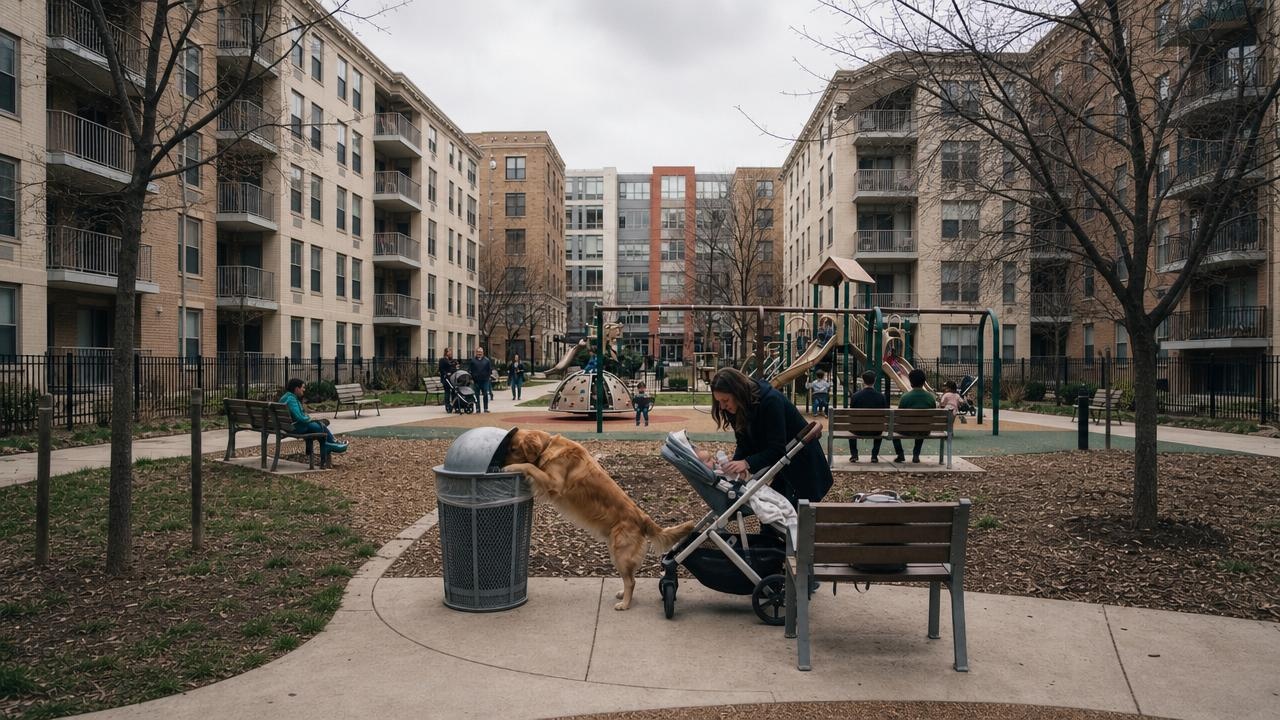

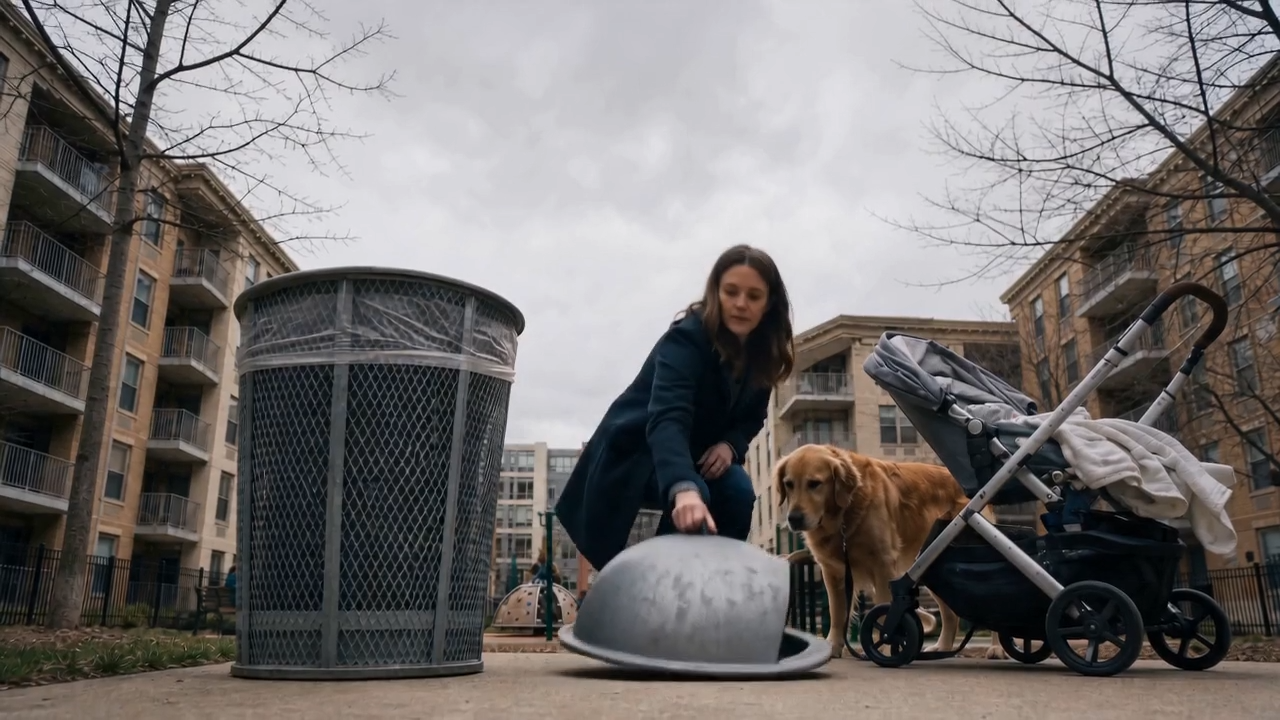
Proposed trigger A golden retriever noses into the park trash can and knocks the loose metal lid onto the pavement. The lid clatters hard enough to snap Daniel's body into the brace. A woman with a stroller calls/yells after the dog while reaching to collect the lid. The event is harmless once understood, but the sound lands before the explanation does.
Park trigger geography
Triggersource

Dog / trash / stroller

The full trigger lane: dog at the trash can, loose metal lid, stroller parent nearby, adult voice cutting through the park. Keep it legible but peripheral.

Golden retriever nosing into park trash can
Trigger Aaction

Dog gets into the trash can

The dog action creates the sound cue. It should read as ordinary park chaos, not danger.

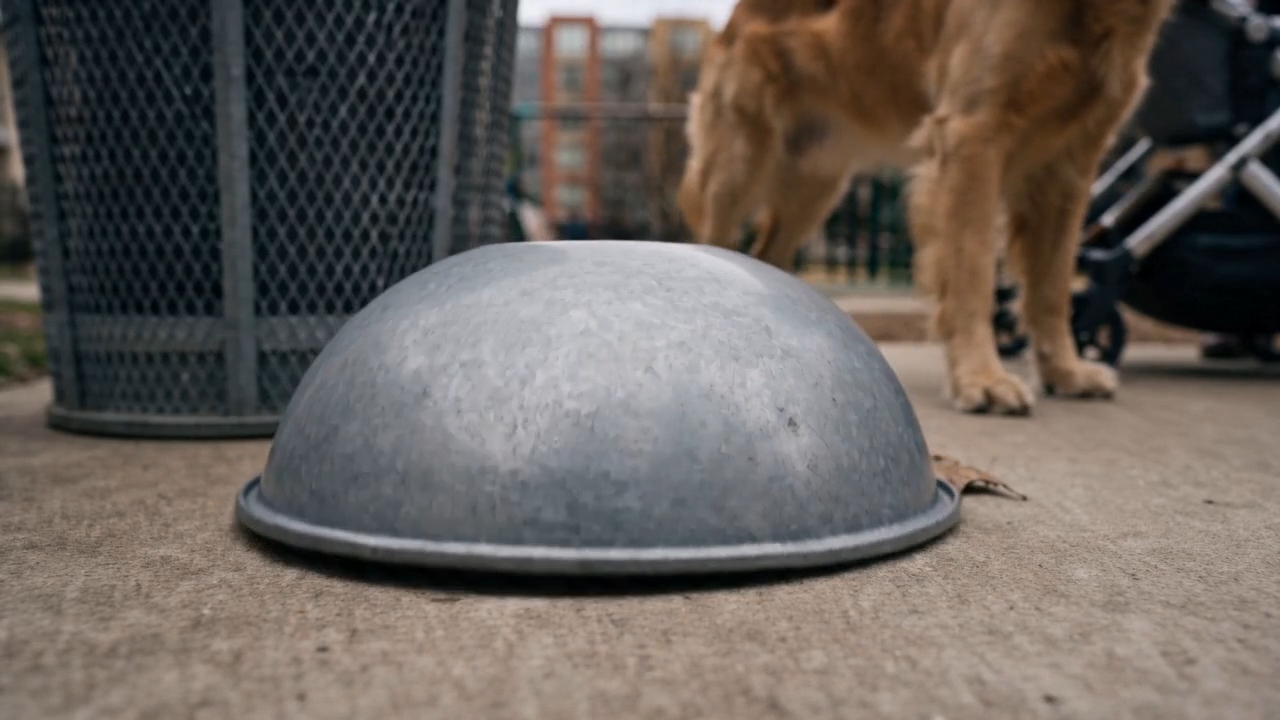
Metal trash can lid on pavement
Trigger Bsound

Loose metal lid clatters

This is the snap cue: a sudden metallic clatter before Daniel has time to understand it.

Woman with stroller reaches toward metal lid beside dog
Trigger Creveal

Woman calls after the dog

The explanation arrives after the body response: stroller, dog, and adult voice make the moment harmless but still sharp.

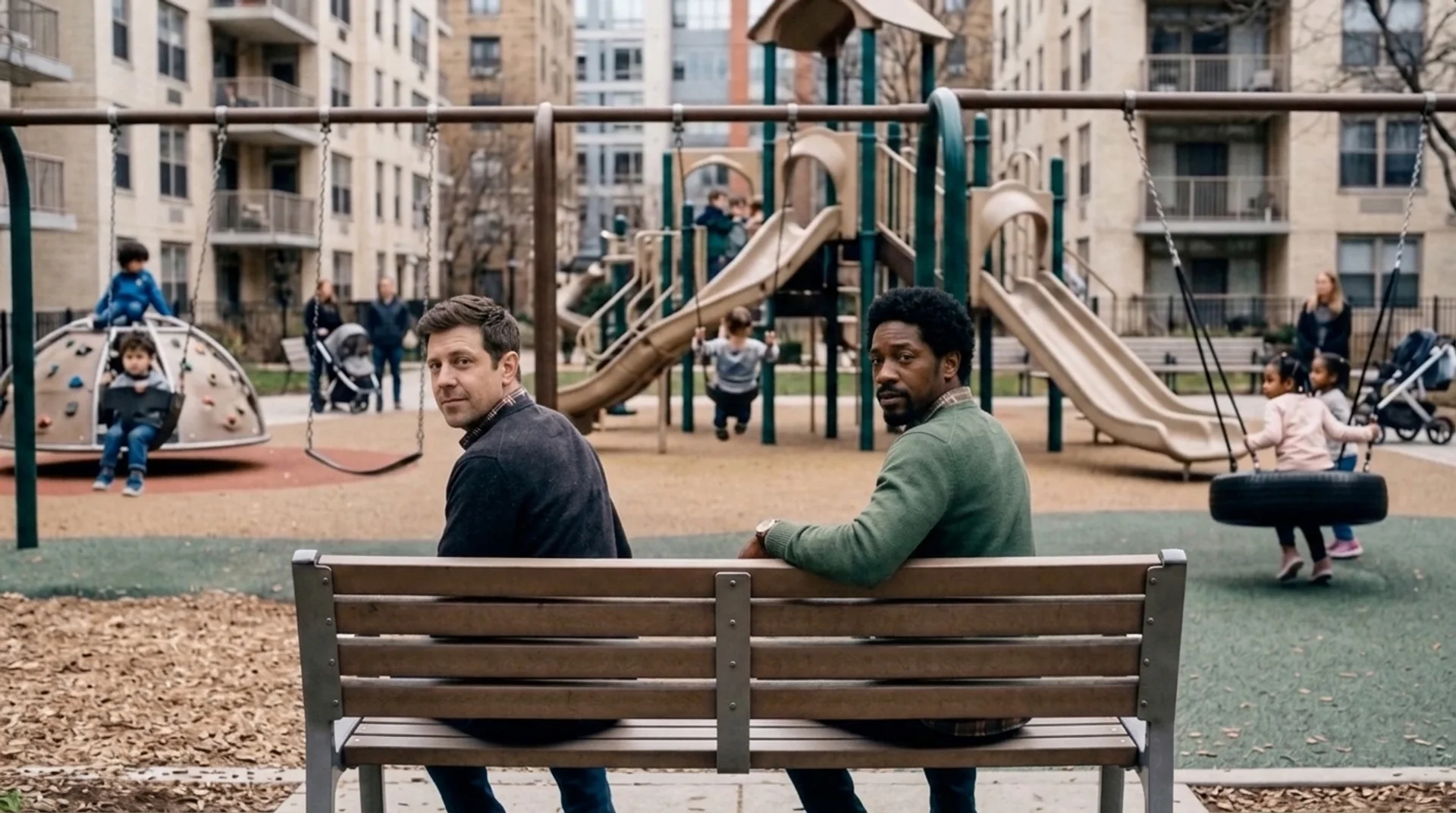
Both fathers turn on park bench after trigger
Sharedreaction

Immediate reaction

The first body beat after the clatter: both men turn before the situation is fully understood. This is reflex, not meaning yet.

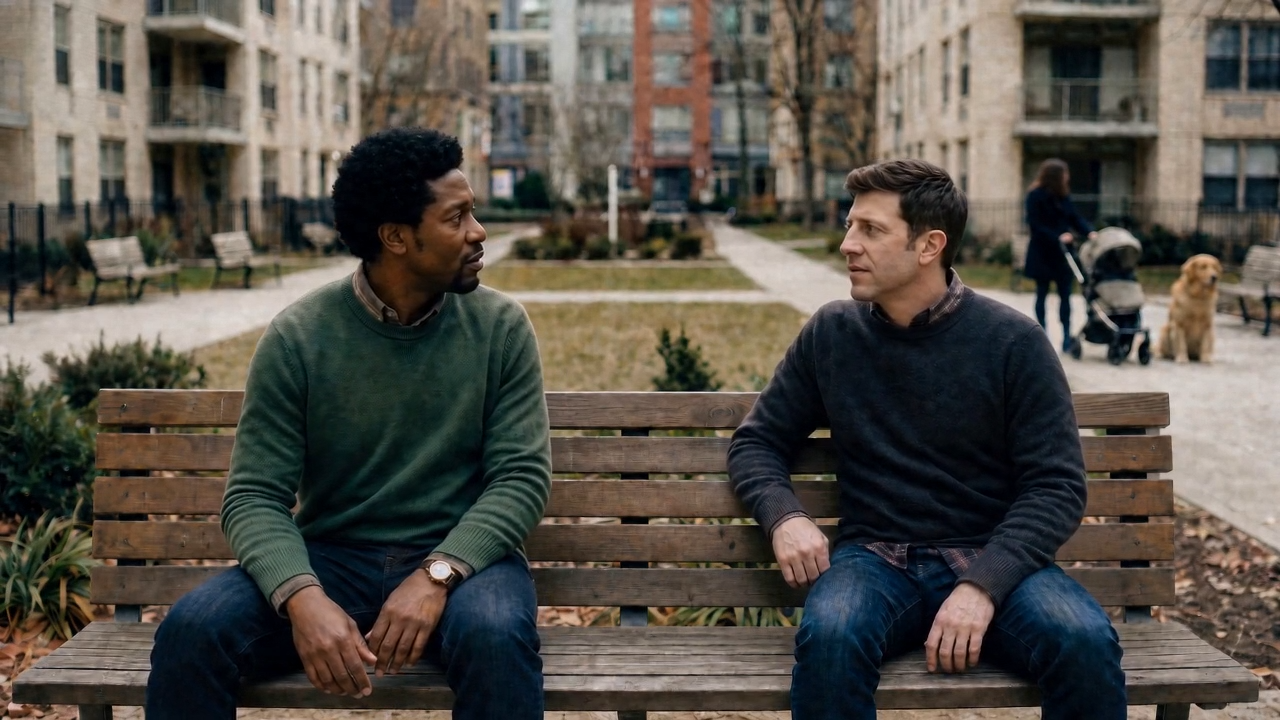
Two fathers on park bench recognizing each other after trigger
Sharedrecognition

Recognition two-shot

The payoff: after the clatter, both men register the same brace in each other. Keep it quiet and unsettled; this is recognition, not conversation or resolution.

Archival & Safety Boundaries

These are production rules to approve before any Gate 1B temp archival placement or later clearance work.
Allowedboundary

Two historical tracks

Clean real archival where clearable, plus animated ordinary-life moments from the era: family, home, street, labor, community, watchfulness forming.

Do Not Usehard rule

No synthetic atrocity

No animated atrocities, no shock imagery, no piles of bodies, no lynching imagery, no degradation spectacle, no children in visible extremis.

Scopeseparate

Research after Gate 1B

Archival research, quote-gathering, permissions, and third-party licensing are separate approved work after the Gate 1B board is approved.

Archival approach for Gate 1B For the origin section, the Gate 1B board will use clearly labeled temp placements rather than presenting final footage as already sourced or cleared. A-line material can use Steven-supplied images as temporary placement/reference where appropriate. B-line material can use public-domain or no-known-restrictions candidates from Reconstruction, Jim Crow, segregation, and civil-rights-era context. These archival placements can be paired with animated ordinary-life moments only: family, home, street, labor, community, and watchfulness forming. Final source research, permissions, and licensing remain a separate approved archival phase after Gate 1B.
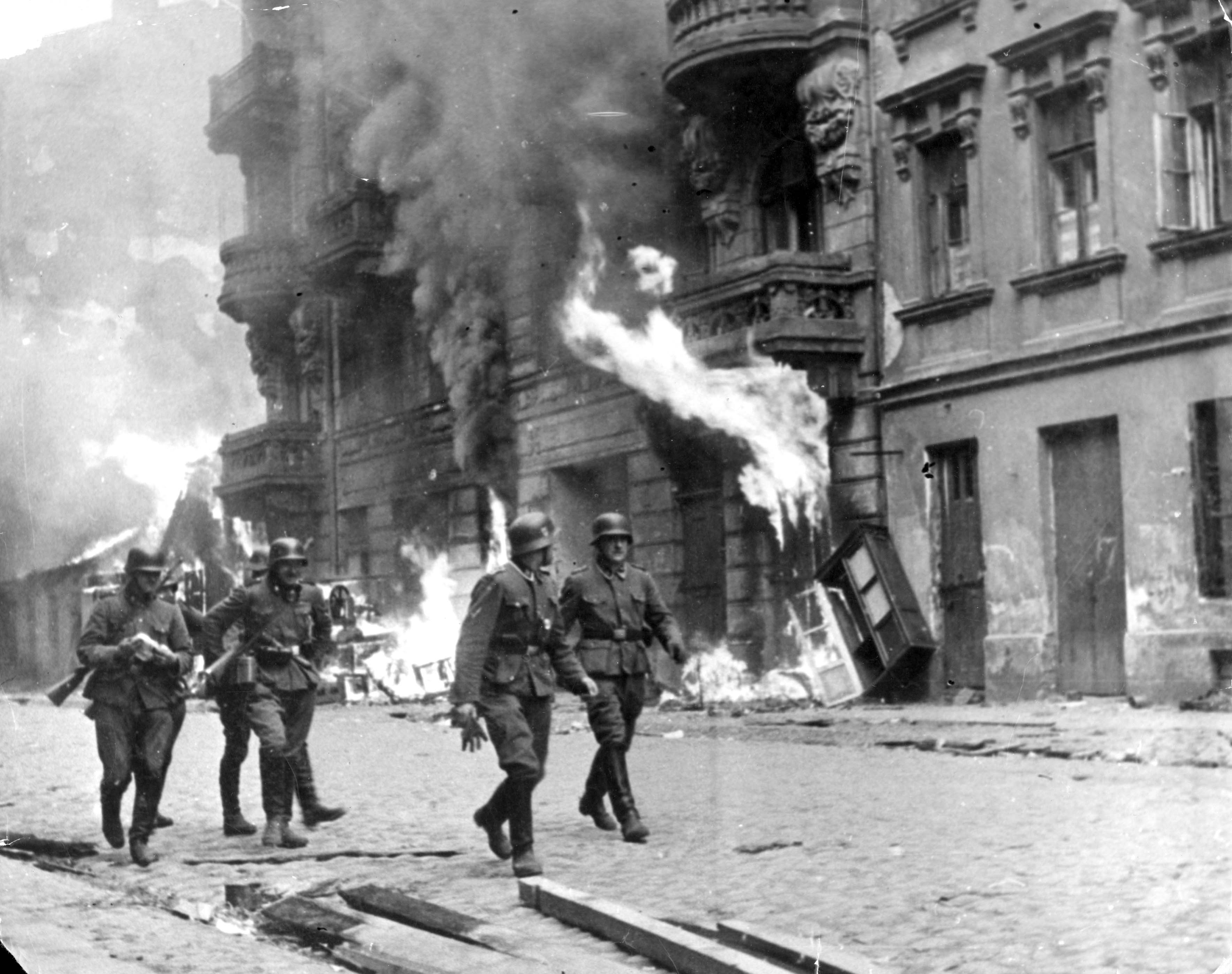
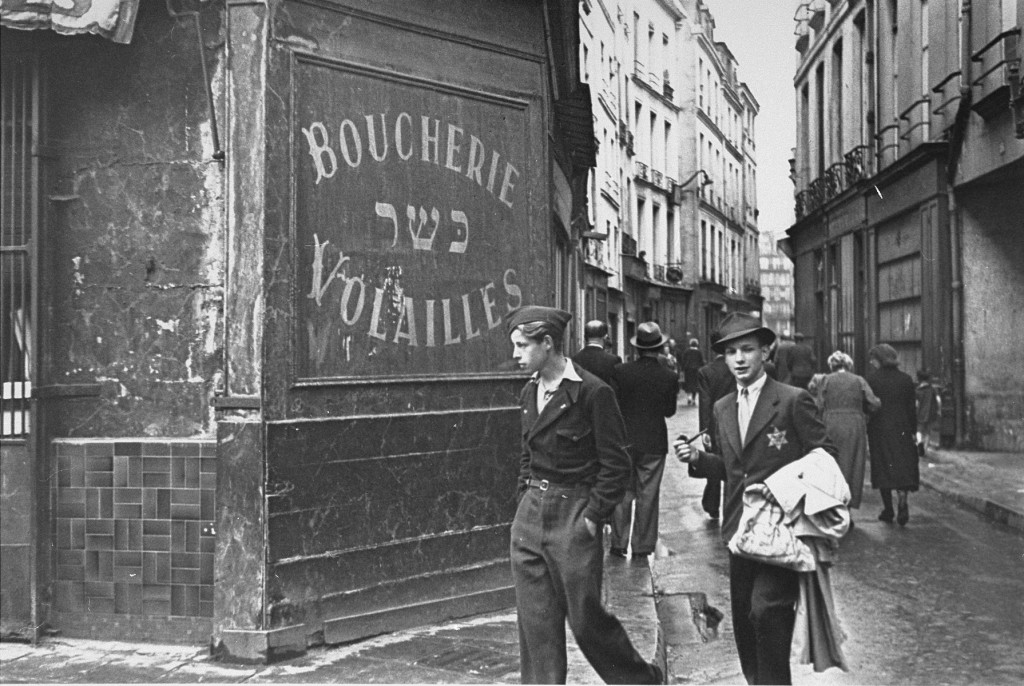
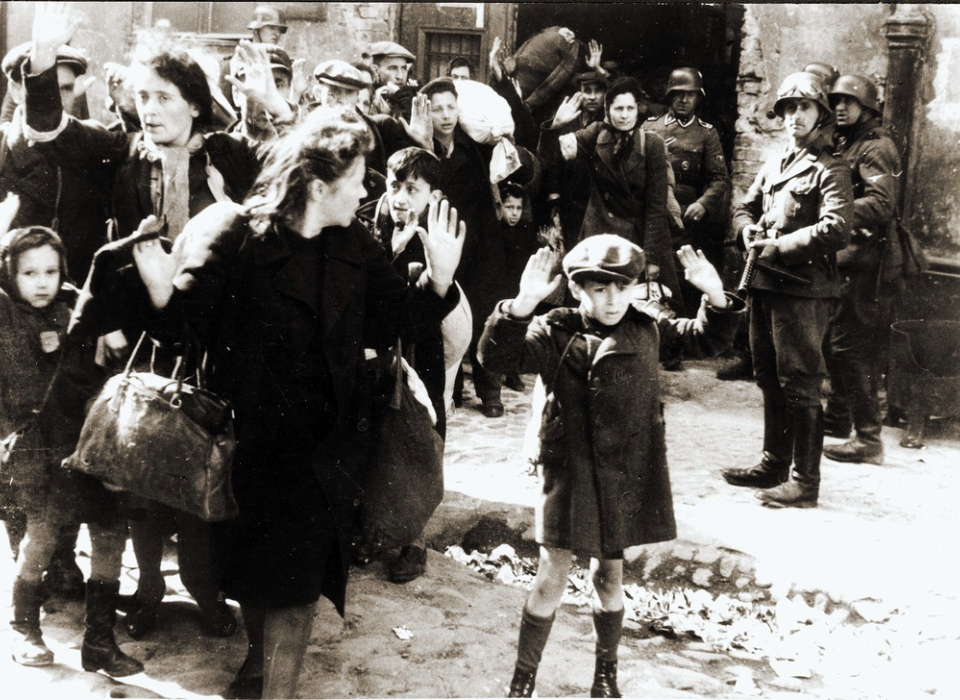
Initial source pass What we have found so far suggests the A-line can be supported with Steven-supplied Jewish heritage and Holocaust-era reference images, including an ordinary-life Jewish street scene and heavier Warsaw ghetto / Shoah references. The B-line can be supported with Reconstruction/Freedmen material, Jim Crow and segregation-era public-space imagery, Green Book-era travel material, and ordinary-life community references rather than explicit atrocity imagery. If either time period or content lane feels too broad, too late, too intense, or not specific enough to the intended family histories, Gate 1B is the right moment to narrow it before we spend time on deeper archival sourcing.
Clearance / cost read Current working read: the B-line candidates are potentially free to use because they are public-domain or no-known-restrictions materials from LOC and NMAAHC. Steven-supplied A-line images are also understood as public-domain candidates from Todd's current note, but they still need source-page provenance before final use. Existing web downloads appear usable for Gate 1B temp placement at no licensing cost, as long as provenance stays attached. If we need a new archival-grade scan from LOC, duplication orders start with a paid digital-file or scan fee plus LOC processing/delivery fees.
Jewish street ordinary-life archival candidate
A-linesupplied

Jewish ordinary-life reference

Use lane: Jewish heritage / ordinary-life context before the harder archival weight. Clearance read: Steven-supplied public-domain candidate per current project note; source-page provenance still needs confirmation before final use. Cost read: likely no license fee if provenance confirms public-domain status.

Warsaw ghetto archival candidate
A-linesupplied

Warsaw ghetto reference

Use lane: Holocaust-era archival weight for the A-line. Keep clean/full-frame and avoid stylized manipulation. Clearance read: Steven-supplied public-domain candidate per current project note; source-page provenance still needs confirmation before final use. Cost read: likely no license fee if provenance confirms public-domain status.

Warsaw street burning archival candidate
A-linesupplied

Warsaw street pressure reference

Use lane: Jewish heritage / Holocaust-era historical pressure. Keep clean/full-frame and avoid turning it into texture or montage. Clearance read: Steven-supplied public-domain candidate per current project note; source-page provenance still needs confirmation before final use. Cost read: likely no license fee if provenance confirms public-domain status.

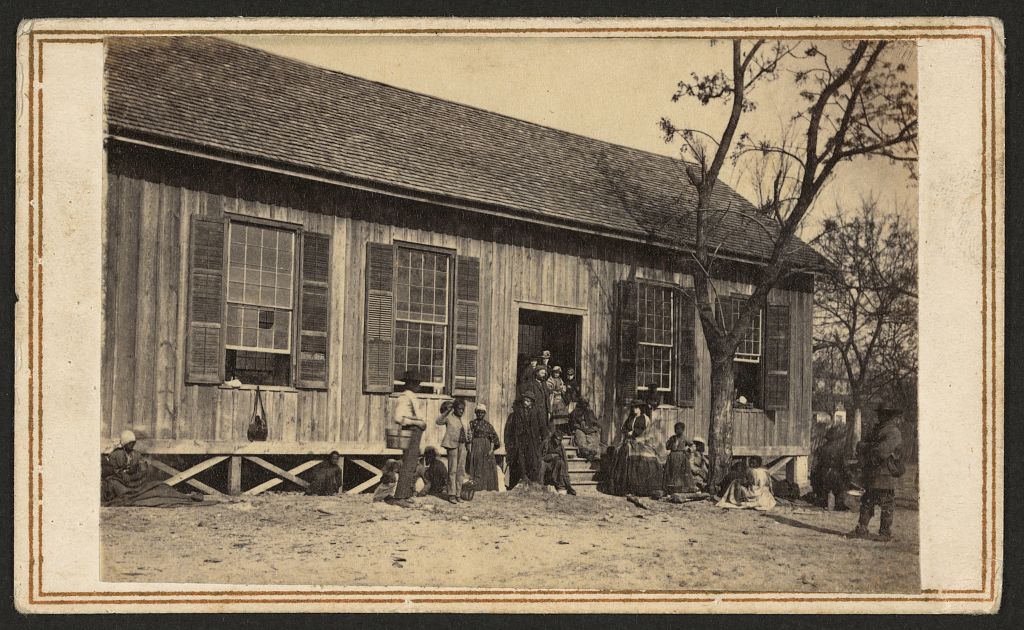
Freedmen's school, Edisto Island archival candidate
1862-1865LOC

Freedmen's school, Edisto Island

Use lane: Reconstruction / slavery-afterlife education and community context. Clearance read: public-domain / no-known-restrictions LOC candidate. Cost read: no license fee for existing download; paid LOC duplication only if we need a new archival scan.

Source page

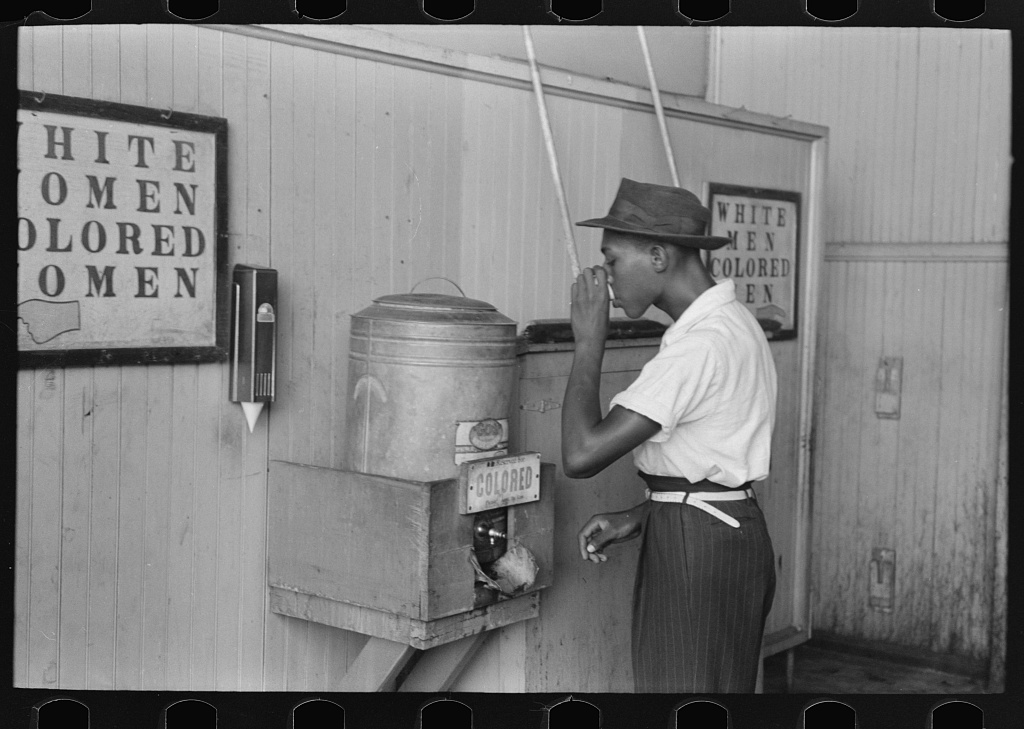
Colored water cooler archival candidate
1939LOC

Segregated public-space image

Use lane: direct Jim Crow infrastructure without spectacle or violence. Clearance read: LOC lists no known restrictions. Cost read: no license fee for existing download; optional LOC duplication starts as a paid service if higher-res/new copy is needed.

Source page

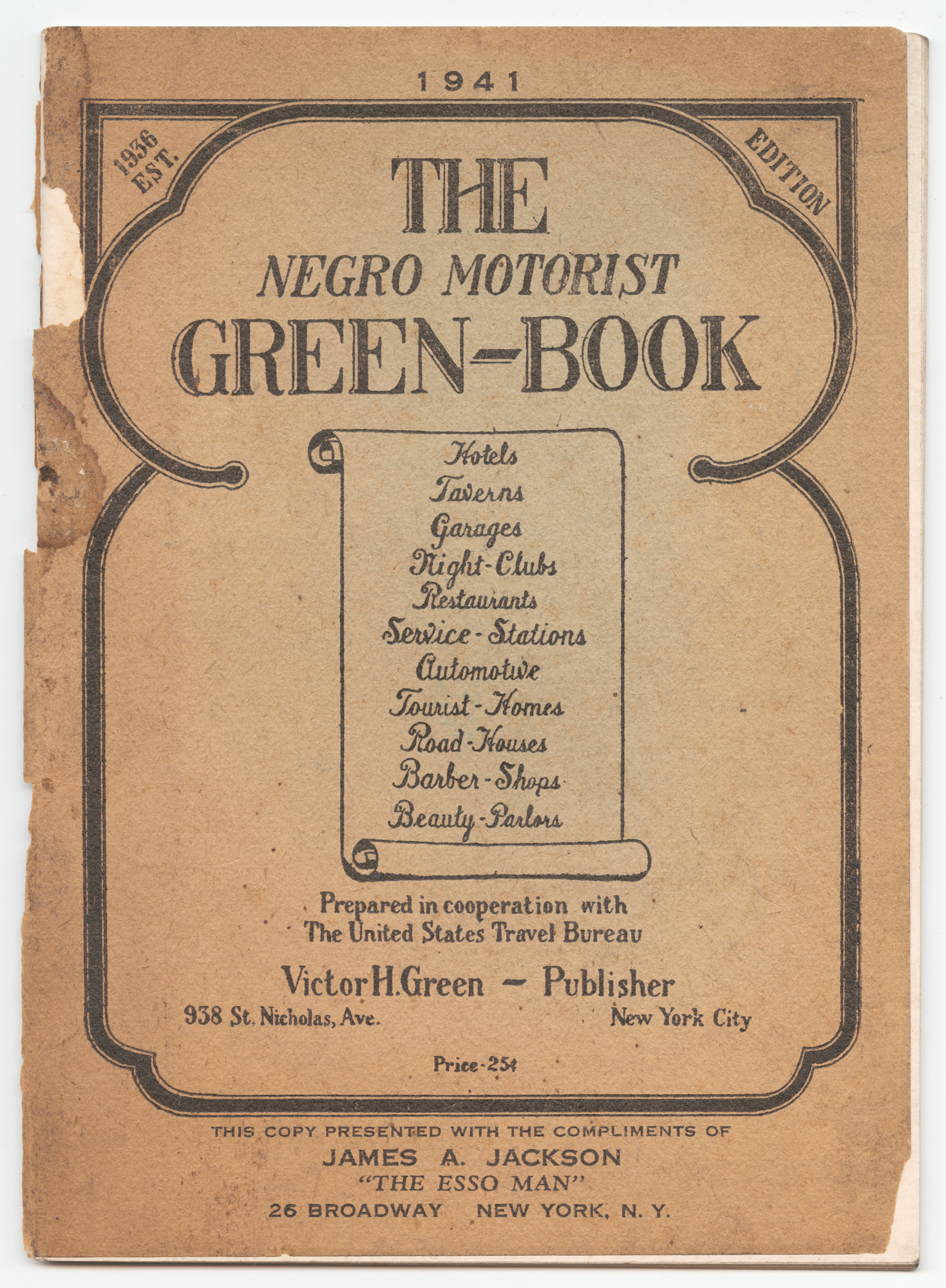
The Negro Motorist Green-Book archival candidate
1941NMAAHC

The Negro Motorist Green-Book

Use lane: practical reality of navigating segregated America. Clearance read: NMAAHC lists Public Domain / CC0 usage conditions. Cost read: no permission or license fee indicated for reuse; keep Smithsonian credit/provenance attached.

Source page

Gate 1A Approval Items

Items to confirm before the Gate 1B storyboard pass.

Approve for Gate 1B Mechanism: the brace. Cast direction: Daniel and Jordan as peer fathers; Noah and Taylor as children carrying fragments only. Locations: two matched present-day homes plus an ordinary shared park. Park trigger: dog gets into the trash can, loose metal lid clatters, woman with stroller calls/yells after the dog. Archival: clean real footage or still material where clearable; clearly labeled temp placements for Gate 1B; animated ordinary-life moments only; research and licensing separate after Gate 1B.
End card Standing default remains: no shortcut. real therapy. plus MMHC logo, unless Steven wants a different close for this episode.